Coconut Oil vs Olive Oil: Which Is Better for Malaysian Cooking?
You have two premium bottles on the counter. One is coconut oil, the other is extra virgin olive oil, and tonight’s dinner is ayam masak



The most popular types of pasta in Malaysia are spaghetti, penne, fettuccine, farfalle and lasagne. These five shapes dominate Malaysian restaurant menus, from aglio olio at the mamak-style western stall to baked lasagne at family gatherings, and they are the shapes you will find most easily on supermarket shelves and online.
You have probably stood in the pasta aisle wondering whether the shape really matters. It does. Each shape is designed to hold a particular kind of sauce, so picking the right one is the quickest way to make a weeknight dinner taste like it came from an Italian kitchen.
This guide covers the five favourite shapes, a few worth trying next, how dry pasta differs from fresh pasta and from our local noodles, and a simple chart for matching every shape to the right sauce.
Spaghetti is the clear favourite, followed by penne, fettuccine, farfalle and lasagne. Use the table below as a quick reference, then read on for how to cook each one.
| Pasta shape | Italian meaning | Best sauce type | Popular dish in Malaysia |
|---|---|---|---|
| Spaghetti | “Little strings” | Olive oil, tomato, light meat sauces | Aglio olio, spaghetti bolognese |
| Penne | “Quills” or “pens” | Thick, chunky and creamy sauces | Penne carbonara, penne arrabbiata |
| Fettuccine | “Little ribbons” | Cream and rich meat sauces | Fettuccine alfredo, mushroom cream |
| Farfalle | “Butterflies” | Tomato, cream, pasta salads | Chicken mushroom farfalle, cold pasta salad |
| Lasagne | Flat pasta sheets | Ragù and béchamel, baked in layers | Beef or chicken lasagne |
Pasta comes in hundreds of shapes because each one is built to carry a specific sauce. Long, thin strands suit slippery oil-based sauces, while hollow tubes and ridged shapes trap chunky, heavy sauces inside and on the surface.
According to Italy Magazine, estimates put the number of pasta shapes at around 350, and many Italian regions have their own local variations. Most of them share the same two ingredients: durum wheat semolina and water.
The logic is practical. Ridges (the “rigate” in penne rigate) give sauce more surface to cling to. Hollow tubes fill up with sauce. Wide, flat ribbons like fettuccine have enough surface to coat with butter and cream. Once you understand this, choosing a shape becomes easy.
Spaghetti is Malaysia’s favourite pasta because it works with almost every sauce and cooks in about 10 minutes. It is the shape most Malaysians grew up with, from school canteen spaghetti to the bolognese you order at a café in Bangsar.
Spaghetti is a long, round strand of medium thickness. Barilla Spaghetti No.5 is the classic thickness most recipes are written for. If you prefer a finer strand that cooks faster, Barilla Spaghettini suits light seafood and garlic dishes.
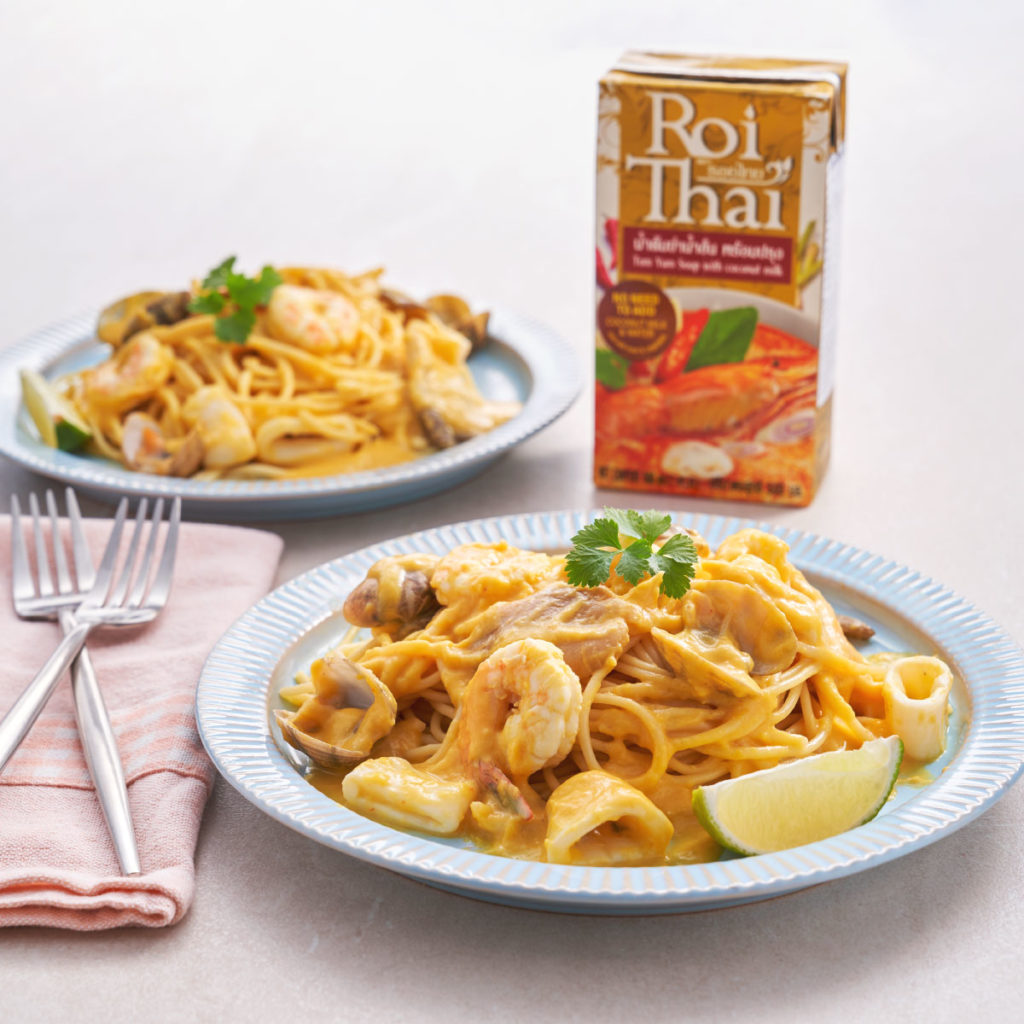
The two most popular spaghetti dishes in Malaysia are seafood aglio olio and spaghetti bolognese. For aglio olio, all you need is garlic, chilli flakes and a good extra virgin olive oil. For a rich bolognese, follow our spaghetti bolognese recipe for Malaysian home cooks. Feeling adventurous? Try our Creamy Pumpkin Tom Yum Spaghetti, a fusion dish that pairs Thai heat with Italian pasta.
Penne is best for thick, chunky and creamy sauces because its hollow tube and ridged surface trap sauce inside and out. Penne carbonara and penne arrabbiata are fixtures on Malaysian café menus.
The name means “quills” in Italian, after the angled cut at each end. Barilla Penne Rigate has ridges that grip sauce better than smooth penne. For a spicy weeknight dinner, pair it with Barilla Arrabbiata sauce, which combines Italian tomato and chilli peppers.
Penne also comes in two useful variants. Wholewheat Penne Rigate contains more fibre than standard pasta, and Gluten-free Penne Rigate suits anyone avoiding gluten.
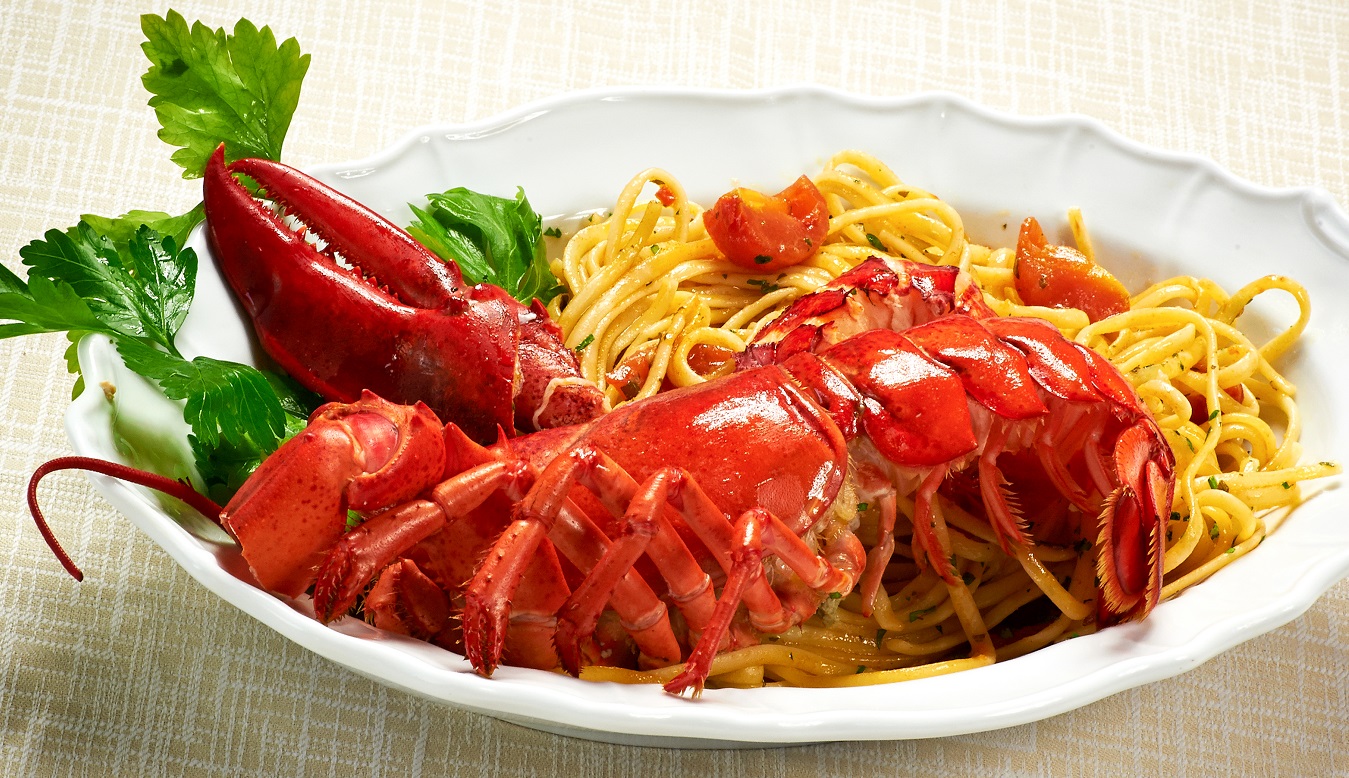
Linguine is a long, flat pasta that sits between spaghetti and fettuccine in width, and it is best served with light seafood, olive oil and pesto sauces. Linguine alle vongole, with clams, white wine and garlic, is on the menu at almost every Italian restaurant in Kuala Lumpur.
The name means “little tongues” in Italian, and the shape comes from Liguria, the same region as pesto Genovese. Its flat profile gives a delicate sauce more surface to hold than round spaghetti, without the weight of a wide ribbon. That is why heavy meat or cream sauces are a poor match: they overwhelm it.
Sangla Foods does not currently carry linguine, so here is the practical swap. Use Barilla Spaghetti No.5 for seafood and garlic dishes, or Barilla Fettuccine when you want a flatter ribbon. For a Ligurian-style plate at home, toss either with Barilla Pesto Genovese away from the heat.
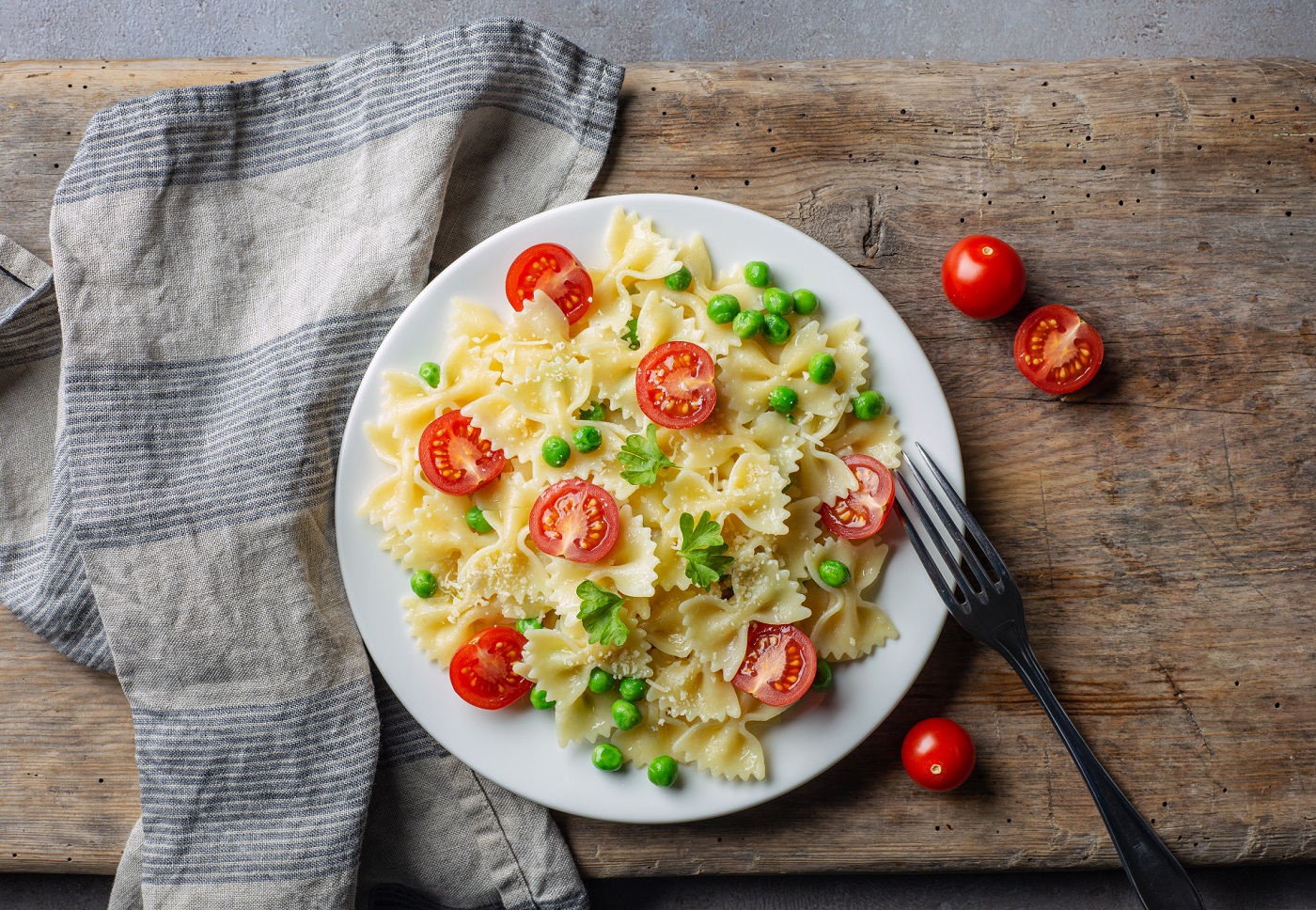
Farfalle is called bowtie pasta because each piece is pinched in the middle into a bowtie or butterfly shape. “Farfalle” means “butterflies” in Italian.
The pinched centre stays slightly firmer than the “wings”, so every bite has two textures. Barilla Farfalle works well with tomato or cream sauces, mushroom and chicken, and is a favourite for cold pasta salads at potlucks because it holds its shape after cooling.
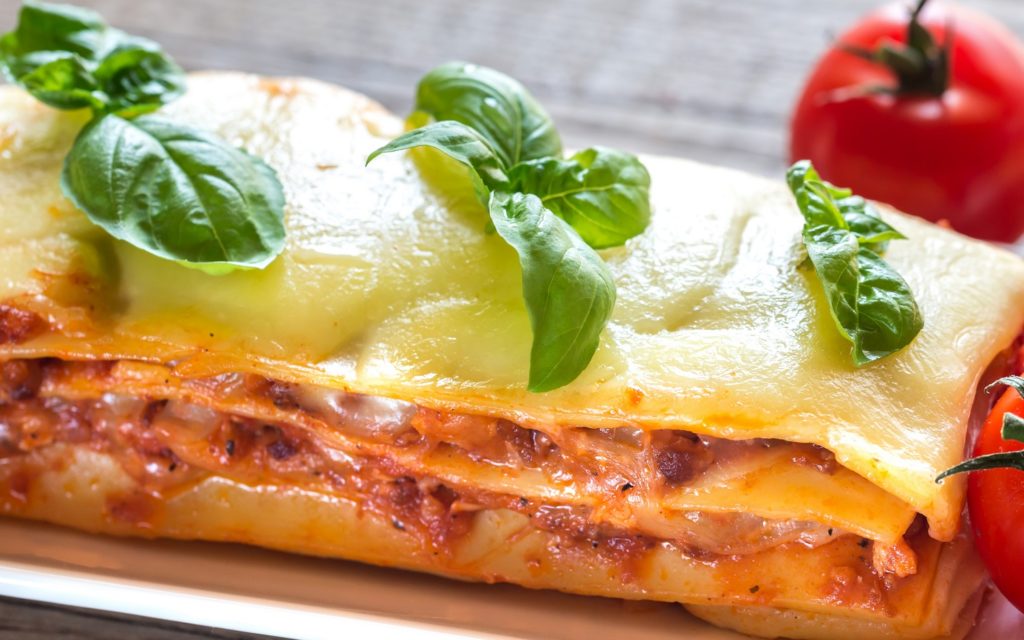
A classic lasagne alternates ragù (meat sauce), béchamel (white sauce) and cheese between sheets of pasta. Barilla Lasagna Semola sheets are made from durum wheat semolina and hold their structure in the oven. Most Malaysian home cooks use minced beef or chicken for the ragù. A jar of Barilla Bolognese sauce, which is halal certified, saves you hours of simmering: just add your own minced meat.
Fusilli, angel hair and macaroni are the next shapes worth adding to your Italian pantry. Each one fills a gap the top six do not cover.
Buy dry pasta if you want a firm, al dente bite, a long shelf life and a sauce that clings well. Buy fresh pasta if you want a soft, silky texture for delicate butter or cream sauces and plan to cook it within a few days.
The difference is in the ingredients. Dry pasta is made from durum wheat semolina and water, then slowly air-dried. Italy’s pasta law, Presidential Decree No. 187 of 2001, sets out the standards for pasta produced in Italy, which is why imported Italian dry pasta is made with durum wheat semolina. Fresh pasta usually uses soft wheat flour and eggs.
| Dry pasta | Fresh pasta | |
|---|---|---|
| Main ingredients | Durum wheat semolina, water | Soft wheat flour, eggs |
| Texture | Firm, al dente bite | Soft and silky |
| Best sauces | Tomato, olive oil, ragù, chunky sauces | Butter, cream, delicate sauces |
| Storage | Room temperature, long shelf life | Refrigerated, a few days |
| Cooking time | About 8 to 13 minutes | About 2 to 4 minutes |
One honest note: neither is better. Dry pasta is the practical everyday choice for Malaysian kitchens, but if you are making a delicate filled pasta like ravioli, fresh is the way to go.
The main difference is the flour. Italian dry pasta is made from durum wheat semolina, while Malaysian noodles such as pan mee, yellow mee and kway teow are made from wheat flour, rice flour or egg, and are often eaten in soup.
For years, people believed Marco Polo brought pasta to Italy from China. According to SBS Food, that story is no longer widely accepted, and pasta is thought to have developed independently in Italy. Both traditions grew up separately and arrived at very different textures: pasta stays firm and is coated in sauce, while char kway teow is wok-fried and pan mee is served in broth.
If you want to explore lighter versions of our local favourites, read our guide to healthier noodles in Malaysia.
Match thin, long pasta with light sauces and thick, hollow or ridged pasta with heavy sauces. That single rule covers most dishes you will cook at home.
| Sauce type | Best pasta shapes | Ready-made option |
|---|---|---|
| Classic tomato and basil | Spaghetti, penne, fusilli | Barilla Basilico (halal certified) |
| Meat ragù or bolognese | Spaghetti, fettuccine, lasagne | Barilla Bolognese (halal certified) |
| Spicy tomato | Penne | Barilla Arrabbiata |
| Pesto | Fusilli, spaghetti, farfalle | Barilla Pesto Genovese |
| Olive oil and garlic | Spaghetti, spaghettini, angel hair | Colavita extra virgin olive oil |
| Homemade tomato sauce | Any shape | Cirio passata, chopped tomatoes or tomato puree |
If you prefer to build your own sauce, Cirio has been an Italian tomato specialist since 1856. Its passata (smooth, sieved tomatoes) is the base for long-simmered sauces, its chopped tomatoes (polpa) add texture, and its double-concentrated tomato puree adds depth in a single squeeze. Our guide to tomato paste in Malaysia explains when to use each one. For a full comparison of jarred options, see the best pasta sauces in Malaysia.
Pasta can be part of a balanced diet when you watch the portion and the sauce. Research suggests pasta eaten as part of a low glycemic index (GI) diet is not associated with weight gain.
According to a 2018 systematic review and meta-analysis published in BMJ Open, led by researchers at St. Michael’s Hospital in Toronto, people who ate around 3.3 servings of pasta a week within a low-GI diet did not gain weight or body fat across 30 trials involving nearly 2,500 participants.
The honest trade-off is the sauce. A cream-heavy carbonara or a cheese-loaded lasagne adds far more calories than the pasta itself. For a lighter plate, choose tomato or olive oil based sauces, add vegetables, or swap to wholewheat penne for extra fibre. If you need to avoid gluten, Barilla’s gluten-free spaghetti and penne are made without wheat, though they turn soft faster, so start checking a minute or two early.
Cook dry pasta al dente by boiling it in plenty of salted water and draining it a minute before the time on the pack. “Al dente” means “to the tooth” in Italian: tender outside with a slight firmness at the centre.
Whether you are a loyal spaghetti fan or ready to try fusilli for the first time, the full Barilla pasta and sauce range is available at sanglafoods.com, alongside Cirio Italian tomatoes and Colavita olive oils. Browse everything in one place at the Sangla Foods shop, or find us on Shopee and Lazada.
Spaghetti is the most popular type of pasta in Malaysia. It cooks in about 10 minutes and works with the dishes Malaysians order most, including aglio olio and bolognese. Penne, linguine, fettuccine, farfalle and lasagne round out the top six.
Fettuccine and penne are the best pasta shapes for creamy sauces. Fettuccine’s wide, flat ribbons hold a thick coating of cream, while penne’s hollow tubes and ridges trap sauce inside and out. Thin shapes like angel hair are too delicate for heavy cream.
Yes, halal-certified pasta is available in Malaysia. Dry pasta is naturally made from durum wheat semolina and water, and products such as Barilla Fettuccine and Barilla’s Basilico and Bolognese sauces carry halal certification. Always check the halal logo on each pack, as status can differ between products in the same range.
Spaghetti is a thin, round strand, while fettuccine is a wide, flat ribbon. Spaghetti suits oil-based and tomato sauces, and fettuccine suits cream and rich meat sauces. You can swap one for the other in most recipes, but the sauce will coat differently.
You can buy Italian pasta online at sanglafoods.com, Shopee and Lazada, or at major supermarkets such as AEON and Jaya Grocer. Sangla Foods carries the Barilla range, including spaghetti, penne, fettuccine, farfalle, fusilli, lasagne and gluten-free options, plus Barilla pasta sauces and Cirio tomatoes.
