Coconut Oil vs Olive Oil: Which Is Better for Malaysian Cooking?
You have two premium bottles on the counter. One is coconut oil, the other is extra virgin olive oil, and tonight’s dinner is ayam masak



Walk down the chiller aisle at Jaya Grocer or AEON and the milk section looks nothing like it did ten years ago. Next to the fresh milk you will now find almond, oat, macadamia, walnut and pistachio milk, alongside the soy milk Malaysians have drunk for generations.
Plant-based milk is a dairy-free drink made by blending nuts, grains, seeds or legumes with water and straining out the solids. In Malaysia, it has taken off for a practical reason: according to a study of 300 Malaysian adults in the Indian Journal of Medical Research, between 83% and 91% of Malay, Chinese and Indian participants had low levels of lactase, the enzyme that digests the sugar in cow’s milk.
This guide explains what plant-based milk is, compares the main types available in Malaysia, and is honest about how they stack up against cow’s milk.
Plant-based milk is made from a plant ingredient, such as almonds, oats or soybeans, soaked and blended with water, then strained to a smooth, milk-like drink.
Most commercial plant milks follow the same basic process. The base ingredient is soaked, ground with water and filtered. Manufacturers may then add oil for creaminess, a little salt, and vitamins and minerals such as calcium and vitamin D. This is called fortification, and it matters, because most plant ingredients do not naturally contain as much calcium as cow’s milk.
The base ingredient decides almost everything else: taste, texture, protein, sugar and how well the milk behaves in a hot cup of coffee.
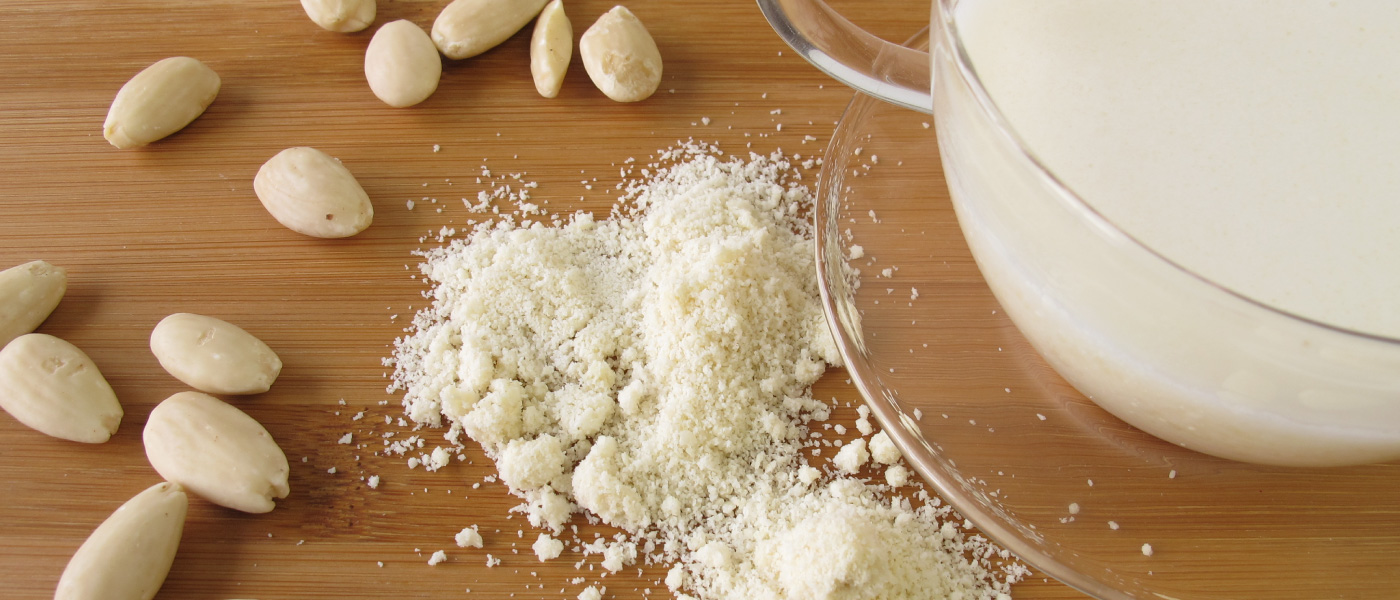
The main types of plant-based milk in Malaysia are soy, almond, oat, macadamia, walnut and pistachio milk, each with a different taste and nutrient profile.
| Type | Taste and texture | Protein | Best for |
|---|---|---|---|
| Soy milk | Beany, medium body | Highest of the plant milks | Drinking, cooking, protein needs |
| Almond milk | Light, nutty, thin | Low | Low-sugar and low-calorie diets, cereal, smoothies |
| Oat milk | Naturally sweet, creamy | Low to moderate | Coffee, baking, nut-free households |
| Macadamia milk | Buttery, rich, creamy | Low | Coffee, drinking on its own |
| Walnut milk | Earthy, slightly complex | Low | Smoothies, porridge, drinking |
| Pistachio milk | Mild, nutty, indulgent | Low | Lattes, desserts, a treat |
Soy milk is the original plant milk in Malaysia, sold at every pasar malam and kopitiam long before the newer options arrived. According to a 2018 review by Vanga and Raghavan in the Journal of Food Science and Technology, soy milk is the plant milk closest to cow’s milk in overall nutrient profile. Read more about the health benefits of soy milk.
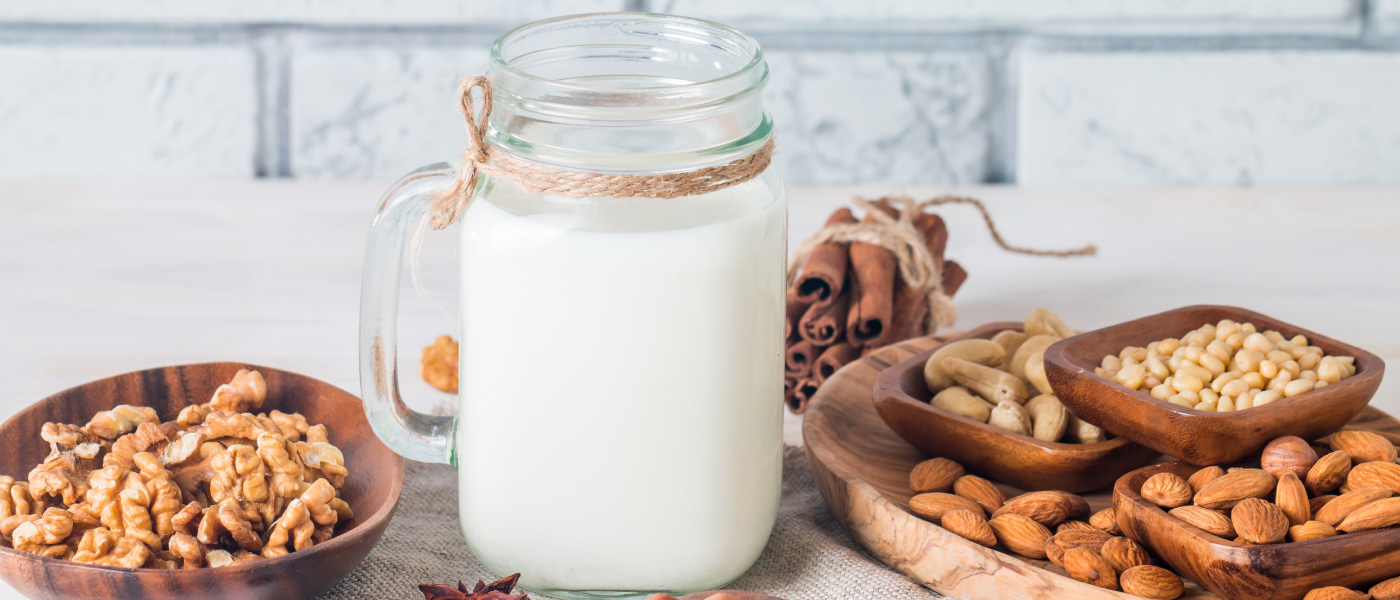
Almond milk is one of the most popular nut milks in Malaysia. Unsweetened versions are very low in sugar and calories, which makes them a favourite for keto and calorie-conscious diets. 137 Degrees Almond Milk Unsweetened is made from 100% California non-GMO whole almonds with no cane sugar added. See our guides to the nutritional benefits of almond milk and almond milk vs cow milk.
Oat milk is creamy and naturally a little sweet, because the oats’ starches break down into sugars during processing. It froths well, which has made it a cafe staple. 137 Degrees Oat Milk Unsweetened is not made from concentrate and contains no cane sugar, carrageenan or preservatives. Learn more about the benefits of oat milk.
These are the premium end of the category. Macadamia milk is one of the creamiest nut milks and a strong choice for coffee; our guide to macadamia milk in Malaysia covers it in detail. Walnut milk has an earthy depth and naturally contains omega-3 ALA, a plant form of omega-3 fat. Pistachio milk, blended with cashew for body, has a mild, indulgent flavour that suits lattes and desserts.
Malaysians are switching to plant-based milk mainly because many adults digest lactose poorly, and because plant milks fit dairy-free, vegan and lower-sugar diets.
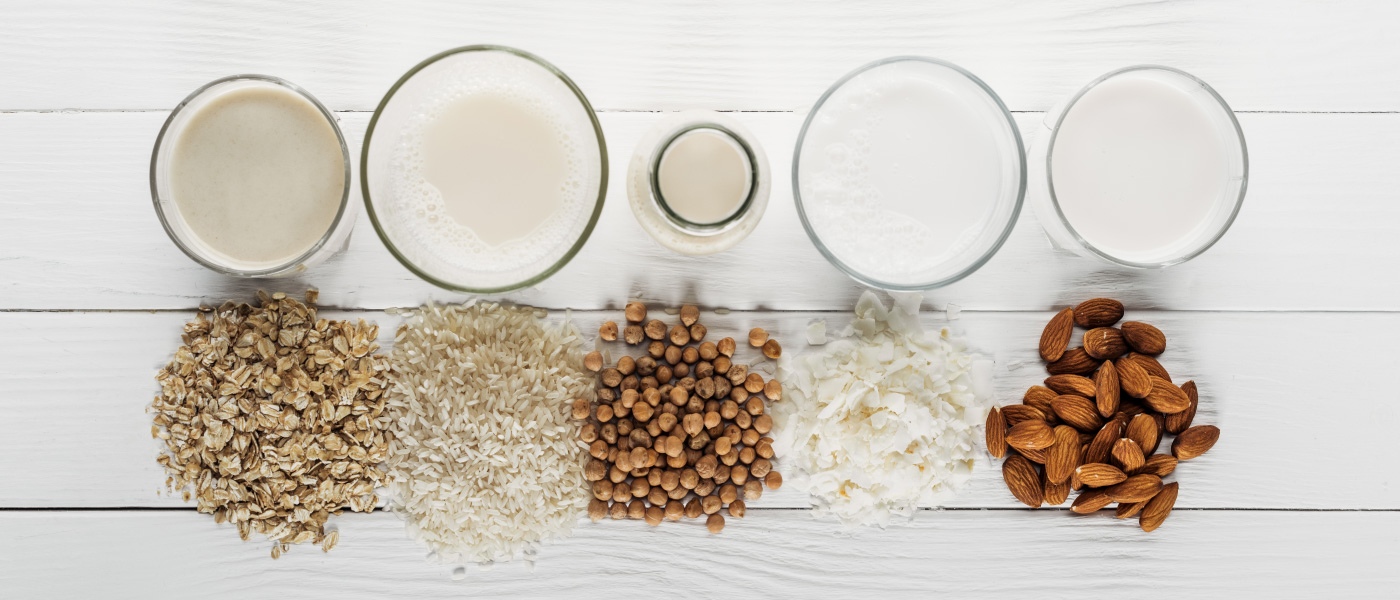
Not automatically. Plant-based milk is lactose-free and often lower in calories and saturated fat, but cow’s milk has more protein, and only fortified plant milks come close on calcium.
According to the US Food and Drug Administration’s 2023 consumer guidance on milk and plant-based milk alternatives, fortified soy drinks are the only plant-based option the US Dietary Guidelines place in the dairy group, because their nutrients are close enough to milk. The FDA advises choosing plant milks higher in calcium, vitamin D, potassium and protein, and lower in added sugars and saturated fat.
The practical answer depends on what you need. If you want a low-sugar, low-calorie drink and get protein elsewhere, unsweetened almond milk is a good fit. If you rely on milk for protein, soy milk or cow’s milk serves you better. Whichever you pick, read the label rather than assuming “plant-based” means healthier.
Oat and macadamia milk are best for coffee because they are creamy and froth well. Unsweetened almond milk works well in smoothies, cereal and baking where you want a lighter result.

Check the label for added sugar, the main ingredient, additives, Halal certification and fortification before you buy.
For a step-by-step version with product picks, read our plant-based milk buying guide.
Plant-based milk is the wrong choice if you are allergic to its main ingredient, if you depend on milk for protein, or as a replacement for breast milk or formula in babies.
You can buy plant-based milk at supermarkets such as AEON and Jaya Grocer, and online at sanglafoods.com, Shopee and Lazada.
The 137 Degrees range covers almond, oat, macadamia, walnut and pistachio milk, all lactose-free and dairy-free. Its almond, oat, walnut and pistachio milks are Halal certified. Explore the range at sanglafoods.com, or find it on Shopee and Lazada.
Soy milk is the most nutritionally complete plant-based milk, because its protein and nutrient profile is closest to cow’s milk. Unsweetened almond milk is the lowest in sugar and calories. The healthiest choice depends on whether you need more protein or less sugar.
Yes, plant-based milk is naturally lactose-free, so it is a good option if you are lactose intolerant. This is common in Malaysia, where a study found low lactase levels in 83% to 91% of adults tested. Almond, oat, soy and macadamia milk all contain no lactose.
Oat milk and macadamia milk are the best plant milks for coffee. Both are creamy and froth well for lattes. Almond milk works too, but it is thinner and can split in very hot coffee unless you warm it first.
Most plant-based milk is made from Halal ingredients, but you should still look for a Halal logo, because certification also covers processing. 137 Degrees almond, oat, walnut and pistachio milks sold by Sangla Foods are Halal certified.
Plant-based milk naturally contains less calcium than cow’s milk, unless it is fortified. Check the label for added calcium and vitamin D if plant milk replaces dairy in your diet. The FDA recommends choosing plant milks higher in calcium, vitamin D and protein.
