The Plant-based Milk Buying Guide for Health-conscious Malaysians
Recent studies show a growing interest in plant-based milk among most health-conscious Malaysians. This diet is becoming popular as it brings sustainability and health benefits



The snack aisle has become a battleground of nutritional claims and tempting flavours, leaving many consumers confused. Gone are the days when a simple bag of chips was the only option. Today, shelves are packed with products promising higher protein, fewer carbs, and better ingredients.
Navigating this landscape requires more than just a glance at the front of the package; it demands a deeper understanding of what’s truly inside.
Modern snacking has shifted from a pure indulgence to a functional part of our diets. With the global healthy snacks market valued at USD 101.3 billion in 2024 and projected to grow, according to Market Data Forecast, it’s clear that consumers are seeking snacks that do more than just satisfy a craving. They want products that align with their wellness goals.
Marketing can be misleading. A snack labelled “healthy” may still be high in sodium or saturated fats.
A direct nutritional comparison cuts through the noise, allowing consumers to make informed choices based on concrete data about protein, fibre, fat content, and overall nutrient density.

This comparison focuses on three distinct categories: classic potato chips, the increasingly popular protein chips designed for performance and satiety, and a broad range of alternative snacks made from ingredients like vegetables, legumes, and whole grains.
For decades, potato chips have been the undisputed king of savory snacks. The global potato chips market, valued at around USD 30 billion in 2023, underscores their continued dominance, as noted by Dataintelo.
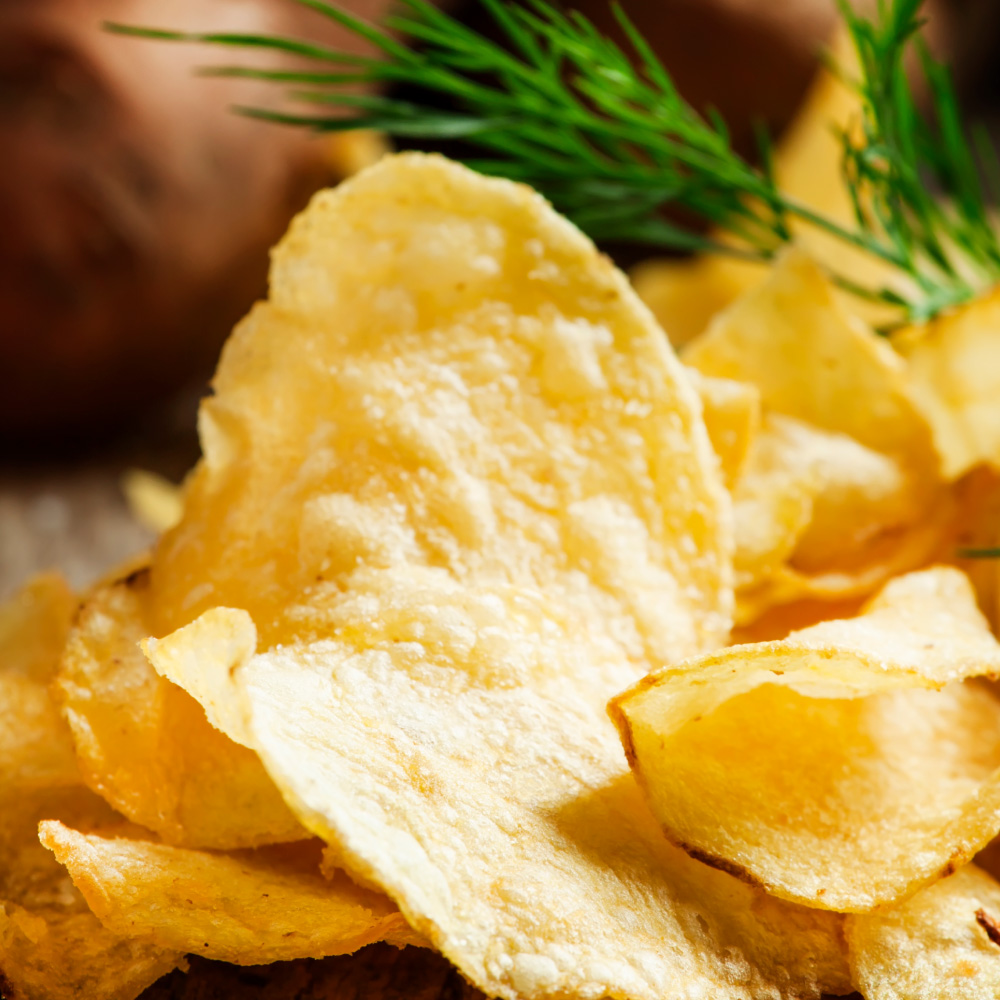
The process is simple: thin slices of potatoes are deep-fried in oil and coated with salt. The primary ingredients are potatoes, vegetable oil, and salt, creating a product high in starch and fat.
A standard serving of potato chips is typically high in calories, sodium, and fat, particularly saturated fats from frying. It offers minimal protein and dietary fiber, providing quick energy from simple carbohydrates but little lasting satiety.
Regular consumption can contribute to weight gain and increase health risks due to high levels of sodium and unhealthy fats. The lack of significant nutrients makes them a source of “empty calories.”
Protein chips have emerged as a direct response to the demand for more functional snacks. The market for these products is expanding rapidly, projected to reach USD 4.25 billion by 2033, according to Straits Research.
Consumers seek protein for its ability to promote satiety, aid muscle repair, and help manage weight. Protein chips offer a convenient way to boost protein intake between meals.
These chips often use protein isolates from sources like soy, whey, or peas, which are blended with a base of potato or corn starch. The ingredient list can be longer and more processed than traditional chips.
Per serving, protein chips deliver a significantly higher protein content (often 10-20 grams) compared to potato chips. Many brands also offer lower carbohydrate and fat content, making their macronutrient profile more balanced.
The primary benefit is enhanced satiety, which can help control overall calorie intake. However, consumers should still check labels for sodium levels and be mindful that many are still highly processed products.
This category represents a broad and innovative segment of the snack market, moving beyond the traditional potato base.

Alternative snacks include products made from a wide array of ingredients, such as legumes (lentils, chickpeas), root vegetables (beets, sweet potatoes), and whole grains. They often appeal to consumers looking for less processed options; a trend highlighted by the fact that 71% of UK adults try to avoid ultra-processed foods.
Common ingredients include chickpea flour, lentil flour, and sliced vegetables. These bases often provide inherent nutritional benefits, such as naturally occurring protein and fiber.
The nutrition of these snacks varies widely. Legume-based snacks are often rich in both protein and fiber. Vegetable-based chips can offer a broader range of vitamins and minerals, though this depends heavily on the brand and processing method.
The main advantage is nutrient diversity. These snacks can provide complex carbohydrates, essential nutrients, and fiber that potato chips lack. However, it’s crucial to read the label, as some “veggie” snacks are primarily made from potato starch with vegetable powder for color and flavor.
Potato chips generally have the highest calorie count per serving due to deep-frying. Protein chips and baked alternative snacks are often lower in calories.
Protein chips are the clear winner, with some brands offering as much protein as a small chicken breast. Legume-based alternative snacks follow, while potato chips offer minimal protein.
Potato chips contain simple starch, which can cause blood sugar spikes. Alternative snacks made from legumes or whole vegetables typically offer more fiber, promoting slower digestion and more stable energy.
Fried potato chips have the highest total and saturated fat content. Protein chips and alternative snacks, especially baked varieties, significantly reduce fat content.
All three categories can be high in sodium. It is a critical factor for any consumer to check, regardless of the snack’s base ingredients.
Alternative snacks made from real vegetables like beets or sweet potatoes can retain some of their original vitamins and minerals, offering a slight edge over potato and protein chips.
Potato chips are simply fried. Protein chips often involve extrusion and blending of powders. Alternative snacks can range from simply baked vegetable slices to more complex processed forms.
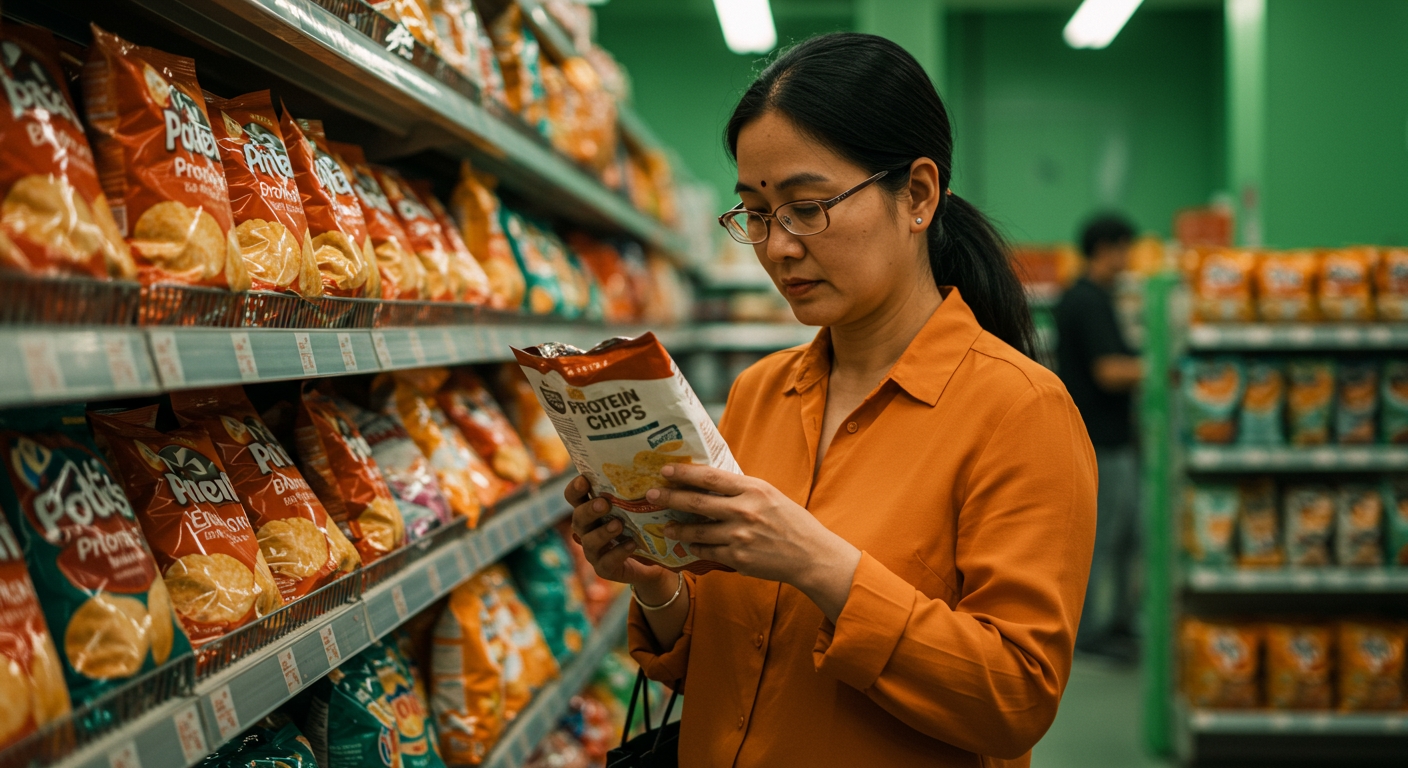
Snacks high in fiber and protein, like many protein and alternative chips, provide sustained energy. In contrast, the simple carbs in potato chips lead to a quick burst followed by a potential crash.
The combination of protein and fiber is key for managing hunger. This makes protein chips and legume-based snacks a more strategic choice for anyone focused on weight management or reducing cravings.